
Ahmedabad Heritage
Step into India's first UNESCO World Heritage City — where 600 years of living history unfold through intricate stepwells, ancient pols, Indo-Saracenic mosques, and the timeless legacy of Mahatma Gandhi.
Overview
India's First UNESCO World Heritage City
Ahmedabad is a city that wears its history with quiet pride. Founded in 1411 by Sultan Ahmad Shah on the banks of the Sabarmati river, it became one of medieval India's most prosperous trading centres — and today it stands as India's first city to receive UNESCO World Heritage City status. Our Ahmedabad Heritage tour takes you deep into the soul of this extraordinary place: through the labyrinthine lanes of the centuries-old pol neighbourhoods with their ornate wooden havelis, down into the cool geometric depths of the Adalaj Stepwell, across to the serene riverside retreat where Mahatma Gandhi spun the thread of India's independence, and into the soaring beauty of the Jama Masjid. Paired with Gujarat's extraordinary cuisine — from the morning bustle of the Law Garden food stalls to the legendary thali restaurants — this is a journey into the very heart of Indian civilisation.
Highlights
What You Will See

Adalaj Stepwell (Vav)
A masterpiece of 15th-century Indo-Islamic architecture — five storeys of intricately carved sandstone descending to cool water, adorned with exquisite floral and geometric motifs.
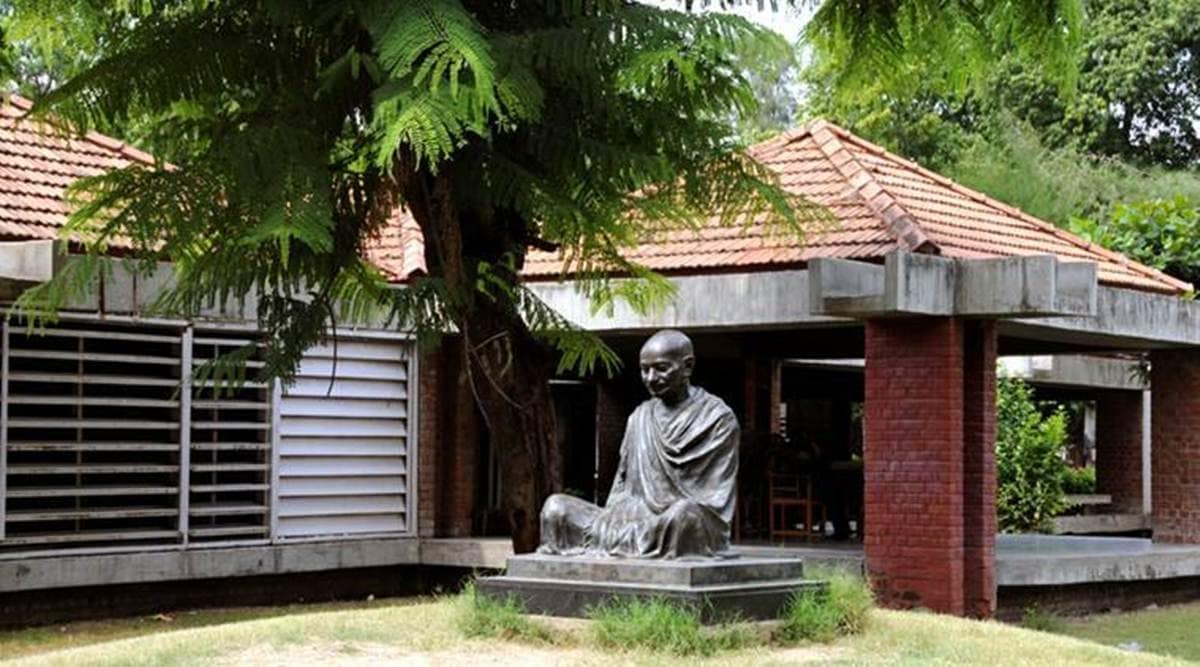
Sabarmati Ashram
Gandhi's spiritual home from 1917 to 1930 — the simple whitewashed rooms from which he launched the historic Dandi Salt March and changed the course of a nation.

Jama Masjid & Bhadra Fort
The magnificent 15th-century congregational mosque with 260 columns and striking yellow sandstone architecture — the crown jewel of Ahmedabad's Old City, built by the city's founder.
The Pol Neighbourhood Walk
Step into Ahmedabad's living heritage — intricate wooden havelis, carved facades, secret passages, community wells and bird feeders in centuries-old residential quarters that have stood unchanged for generations.
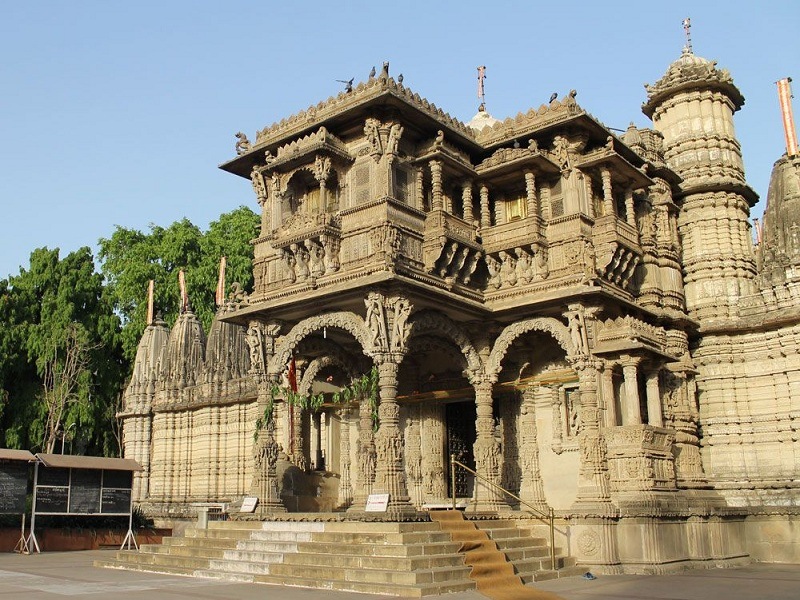
Hutheesing Jain Temple
An extraordinary 19th-century white marble temple dedicated to Dharmanath — one of the finest examples of Jain temple architecture in India, with breathtaking carvings and soaring spires.
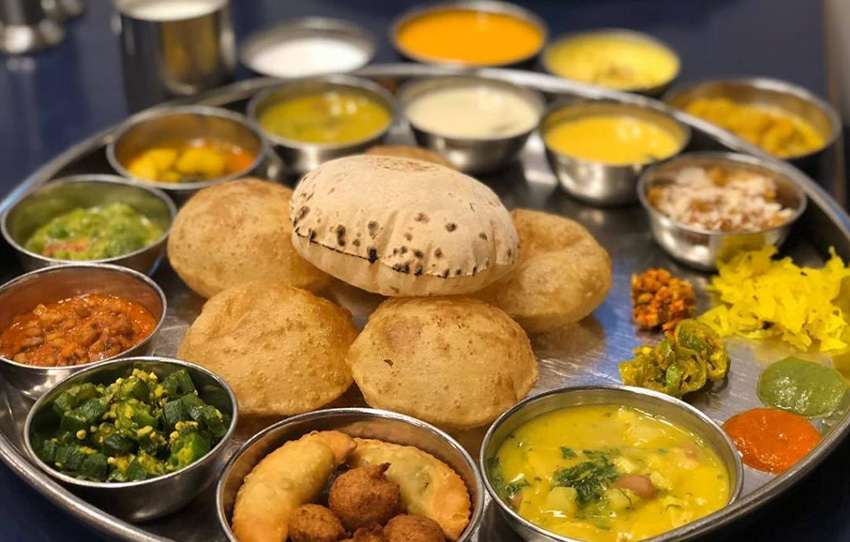
Gujarati Culinary Experiences
From the legendary unlimited Gujarati thali — a feast of over 15 dishes — to crispy fafda at dawn and the irresistible street food of Manek Chowk by night, Ahmedabad is a food lover's paradise.
Package Details
Inclusions & Exclusions
Travel Tips
Good to Know Before You Go
October to March is ideal — pleasant cool weather perfect for walking the pols and exploring heritage sites. Summers (April–June) are extremely hot; avoid if possible.
Modest, comfortable clothing is recommended throughout. Cover shoulders and knees when visiting mosques, Jain temples and the ashram. Lightweight cotton is best for the climate.
Ahmedabad is predominantly vegetarian — and proud of it. Gujarat is a dry state, so alcohol is not readily available. The food, however, is extraordinary and more than compensates!
The Old City is best explored on foot with a guide. We provide AC vehicle transfers between sites. The pol lanes are narrow — tuk-tuks and walking are the only way in.
Ready to Explore Ahmedabad?
Let us plan your perfect heritage experience. Contact us to customise dates and preferences.
Book This Tour Enquire Now